
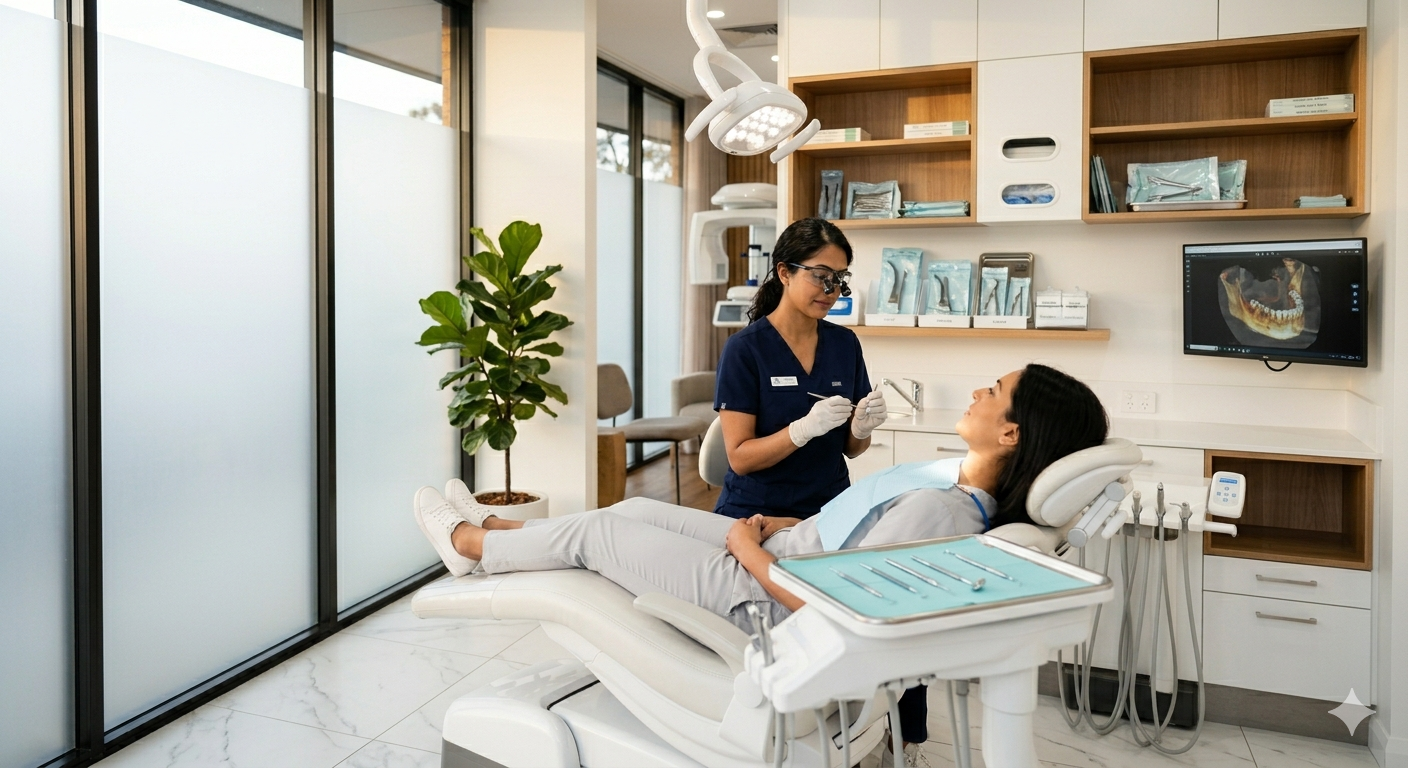
When a dental emergency strikes, quick and effective care matters most. Emergency dentist technology in Oregon has advanced to provide faster diagnoses and treatment, helping patients avoid prolonged pain and complications. Modern tools like digital X-rays and 3D imaging allow dentists to pinpoint issues immediately, making emergency visits as smooth and precise as possible.
Patients often worry about discomfort or delays during urgent care. Thanks to technology, dentists can use minimally invasive techniques and sedation options tailored to each person’s needs. This approach not only speeds up recovery but also keeps patients comfortable throughout treatment.
Turning to an emergency dentist equipped with the latest technology ensures you get reliable care when it counts. It’s a smart step in protecting your oral health and peace of mind during unexpected dental problems.
Knowing when a dental issue needs immediate care can save a tooth and prevent serious pain. Recognizing the signs and understanding the severity helps patients decide quickly if they should seek urgent dental attention.
Severe toothache that persists for more than a few hours, especially if accompanied by swelling, can signal infection. Uncontrolled bleeding from the mouth after an injury or dental procedure also demands immediate care.
A knocked-out tooth needs immediate reimplantation within an hour for the best chance of saving it. Loose or broken teeth that cause sharp pain or difficulty eating should not be ignored either.
Other signs include fever with mouth pain, sudden swelling around the jaw or face, and severe pain when biting or chewing.
If the pain disrupts sleep or normal activities, urgent care is necessary. Trauma to the mouth from accidents, such as a fall or sports injury, requires prompt evaluation.
Patients should not delay seeing a dentist if they have signs of infection like pus or bad taste in the mouth, as infections can quickly worsen.
Emergency treatment is critical for broken dental restorations causing sharp edges that cut soft tissues. Swelling that impairs breathing or swallowing needs immediate emergency services, not just dental care.
Mild dental pain from sensitivity or minor irritation usually does not require urgent care but should be evaluated soon. Small chips on teeth that don’t cause pain can wait for a scheduled visit.
Severe issues typically involve swelling, bleeding, intense pain, or trauma to multiple teeth. A cracked tooth with occasional pain can sometimes wait, but a deep fracture with constant pain means immediate attention.
Knowing these differences helps avoid unnecessary ER visits and ensures proper timing for care.
Emergency dental care has advanced with technologies that speed up diagnosis, reduce pain, and improve treatment quality. These tools help dentists address urgent dental issues more efficiently and comfortably.
Digital imaging has transformed emergency dentistry by providing clear, immediate X-rays that help dentists see inside the mouth without delay. Unlike traditional film X-rays, digital images appear instantly on a computer screen, allowing for quicker assessment of fractures, infections, or tooth abscesses.
This technology uses significantly less radiation, making it safer for patients. It also allows dentists to zoom in and enhance images, improving the accuracy of diagnoses. For patients, this means faster decision-making and often fewer visits, which is crucial during dental emergencies.
Lasers offer a gentle, precise option to relieve pain and promote healing in emergency dental situations. They can reduce inflammation and disinfect infection sites without the need for extensive anesthesia.
Laser therapy also speeds up recovery by promoting blood flow and stimulating tissue repair. Patients often experience less discomfort during and after laser treatment compared to traditional methods. This makes lasers a preferred choice for managing soft tissue injuries, ulcers, or abscess drainage when time and comfort are critical.
3D printing technology allows emergency dentists to create highly accurate dental restorations, like crowns or temporary bridges, right in the office. This reduces wait times dramatically by eliminating the need to send molds to external labs.
Using digital scans of the damaged tooth, the printer produces custom-fitted restorations quickly, often during the same appointment. This approach enhances patient comfort and restores function much faster, making urgent tooth repair less stressful and more efficient.
Emergency dental care is designed to reduce discomfort and anxiety from the moment patients walk in. From calming office features to advanced treatment methods and tailored sedation, every step focuses on making the visit as smooth and pain-free as possible.
Many emergency dentists invest in calming environments to help patients feel relaxed. Waiting areas often feature comfortable seating, soft lighting, and quiet music to ease nerves. Some offices also provide blankets, headphones, or aromatherapy to create a more peaceful atmosphere.
During treatment, distraction tools like TVs or noise-canceling headphones can help shift focus from dental work. Reception and staff play a big role, too; friendly, patient-centered communication helps build trust quickly, reducing stress even in urgent situations.
Today’s emergency dental treatments often use minimally invasive methods to limit pain and recovery time. Laser dentistry, for example, can reduce bleeding and swelling during procedures like root canals or gum treatments.
Digital imaging allows for precise diagnostics, meaning fewer unnecessary X-rays and quicker, more accurate treatment plans. Tools like air abrasion replace drills for some cases, cutting down on noise and vibration that often trigger dental anxiety.
For patients who feel very anxious or face complex procedures, sedation dentistry offers effective relief. Options range from mild nitrous oxide (laughing gas), which calms without full unconsciousness, to oral sedatives taken before the appointment.
In more involved cases, intravenous (IV) sedation can be used to induce a deeper state of relaxation while keeping the patient responsive. Dentists carefully evaluate health history to choose the safest option. Sedation helps patients stay calm, ensuring treatment goes smoothly without added worry.
Emergency dentists use modern techniques to quickly address common dental crises. Treatments focus on preserving teeth, relieving pain, and preventing infection.
When a tooth breaks or is knocked out, time is critical. For a knocked-out tooth, dentists often recommend re-implanting it within an hour. The tooth should be handled carefully by the crown, rinsed gently if dirty, and stored in milk or saliva to keep it moist.
For broken teeth, treatment depends on the damage. Minor chips may be smoothed or repaired with bonding materials. Larger breaks often require fillings, crowns, or root canals to protect the tooth and restore function. Dentists prioritize preserving natural teeth whenever possible.
Pain management and infection prevention guide these treatments. Quick action can mean the difference between saving a tooth or needing extraction.
Tooth pain often signals underlying infection or decay. Emergency dentists first diagnose the cause with exams and X-rays. Depending on the issue, treatment can include antibiotics to control infection and procedures to remove damaged tissue.
A common treatment is a root canal, which removes infected pulp inside the tooth. This relieves pain and stops infection spread. If decay is shallow, a filling may suffice to seal the area.
In severe cases, extraction might be necessary to prevent infection from worsening. Dentists focus on easing pain quickly, then restoring health through targeted care. They also advise on follow-up treatments to avoid repeat emergencies.
An emergency dental visit focuses on quick relief and accurate diagnosis. Patients will encounter a streamlined process that prioritizes immediate pain control while setting the stage for any necessary follow-up care.
When the patient arrives, the receptionist quickly collects essential information and confirms details about the dental emergency. The dentist or dental assistant will escort them to the treatment area, often prioritizing those with severe pain or trauma.
The dentist performs an examination, sometimes including digital X-rays to assess damage or infection. Based on findings, they provide immediate treatment—this might mean extracting a loose tooth, draining an infection, or temporarily repairing a broken tooth to protect the area.
After treatment, the patient will receive instructions for pain management and care at home. The dentist often discusses next steps, such as scheduling follow-up appointments to complete treatment or monitor healing.
The dentist needs clear information to understand the problem quickly. Expect questions like:
These questions help the dentist tailor treatment safely and effectively. They also ask about symptoms such as swelling, fever, or bleeding to assess infection risks and urgency.
Providing detailed and honest answers ensures the best care during a stressful time. The dentist values this communication as much as the clinical examination.
Knowing how to handle a dental emergency before reaching the dentist can make a big difference. Quick and calm actions help reduce pain and increase the chances of saving a tooth.
If someone experiences a knocked-out tooth, the first step is to stop any bleeding by gently biting on a clean cloth or gauze. Ice packs applied to the outside of the mouth or cheek can reduce swelling and ease pain. Avoid touching the root of the tooth to prevent damage.
For chipped or broken teeth, rinsing the mouth with warm water helps clear debris. If a sharp tooth edge is causing discomfort, covering it with dental wax or sugarless gum may protect the cheek or tongue until treatment.
Pain relief can be managed using over-the-counter medications, but aspirin should be avoided directly on the gums, as it may cause irritation.
To increase the chance of saving a knocked-out tooth, handling it properly is key. First, hold the tooth by the crown—the part normally seen in the mouth—not the root. This prevents damage to the cells needed for reattachment.
After gently rinsing the tooth with milk or saline to remove dirt (do not scrub), it should be kept moist. The best way is to place the tooth in a container with milk or a tooth preservation kit if available. If these aren’t accessible, saliva can work as a last resort.
Time is critical. The tooth should reach the dentist ideally within 30 minutes. Keeping it wet with one of these solutions greatly improves the chances of successful reimplantation.
Taking steps to avoid dental emergencies often means using the right gear and committing to good daily habits. These approaches work together to protect teeth from damage and reduce the chances of sudden pain or injury.
Wearing protective gear like mouthguards can significantly lower the risk of dental injuries during sports or physical activities. Custom-fitted mouthguards offer better comfort and protection compared to store-bought versions, making them a smart choice for athletes.
Helmets with face shields add extra safety, especially in contact sports such as football or hockey. For kids and adults who participate in activities with possible falls or impacts, protective gear isn’t just recommended—it’s essential.
Using these tools consistently, even during practice sessions, helps avoid emergencies such as chipped teeth or knocked-out teeth. Dentists often advise keeping a spare mouthguard on hand to ensure protection is never compromised.
Good dental habits start with brushing twice daily using fluoride toothpaste to maintain strong enamel. Flossing once a day removes plaque from between teeth, reducing decay and gum disease that could lead to painful issues.
Avoiding hard, crunchy foods like ice and unpopped popcorn kernels helps prevent cracking or breaking teeth. Chewing sugar-free gum can stimulate saliva, which naturally protects teeth against decay.
Regular dental check-ups allow for early detection and treatment of potential problems, minimizing emergency visits. Drinking plenty of water and limiting sugary snacks also supports overall dental health and resilience against damage.
Picking an emergency dentist means focusing on quick access, expertise, and trustworthiness. Patients want care that fits unpredictable hours and delivers confident, effective treatment when pain strikes.
Experience is crucial when dental emergencies happen. An emergency dentist in Technology OR should have a solid track record handling urgent cases like toothaches, broken teeth, or infections. Look for dentists who list emergency services clearly on their websites and offer extended hours or weekend availability.
Availability makes a big difference. Patients shouldn’t wait days for relief. Finding a clinic with flexible appointment times or walk-in options helps avoid unnecessary pain and complications. Also, check if the dentist uses modern tools like digital X-rays or laser treatment, which speed up diagnosis and treatment.
Community trust speaks volumes about a dentist’s reliability. Positive reviews from local patients highlight who genuinely cares and delivers great results in emergencies. Word-of-mouth recommendations from friends or family often point to dentists who make patient comfort a priority.
Local dentists familiar with community needs tend to offer personalized care. They understand common dental issues in the area and can provide solutions that work best for their neighbors. Trust also comes from clear communication—dentists who explain procedures kindly and answer questions help reduce anxiety during stressful emergencies.
After an emergency dental visit in Oregon, the dentist will outline clear instructions to support healing and prevent future issues. This often includes advice on pain management, hygiene practices, and dietary restrictions. Following these steps can make a big difference in recovery comfort.
Patients are usually scheduled for follow-up appointments to monitor progress. These visits help ensure any treatments, like fillings or crowns, are settling well and no complications arise. If needed, further care might involve more advanced procedures using the latest dental technology.
To maintain oral health after an emergency, daily routines matter most. Brushing gently twice a day, flossing, and using mouthwash protect teeth and gums. Dentists may recommend specific tools or products designed for sensitive or healing areas.
Here’s a simple checklist for ongoing care after an emergency dental visit:
Modern emergency dental clinics in Oregon often provide digital reminders and easy communication options to keep patients connected. They encourage asking questions anytime to reduce anxiety and ensure comfort. Taking these steps helps patients feel confident as they heal and get back to their daily lives.
Patients often wonder how to recognize true dental emergencies and what steps to take immediately to protect their teeth. Managing pain, what to expect during urgent visits, and using modern technology to speed treatment are common concerns.
True dental emergencies include severe pain, uncontrolled bleeding, swelling, knocked-out teeth, and broken teeth causing sharp pain or cuts. Minor chips, mild sensitivity, or loose fillings usually can wait until normal office hours.
Rinse the tooth gently with water but do not scrub. If possible, place the tooth back into its socket or keep it in milk or a tooth preservation kit. Getting to an emergency dentist quickly is crucial.
Over-the-counter pain relievers like ibuprofen can help reduce pain and inflammation. Applying a cold compress to the cheek lowers swelling. Avoid very hot, cold, or sugary foods that worsen pain.
The dentist will examine the affected area and take digital X-rays to identify damage. They may provide pain relief, clean the site, and offer temporary or permanent restorations depending on the problem and time.
Yes. Digital X-rays give instant, detailed images to help diagnose problems quickly. Same-day crowns and fillings using CAD/CAM technology allow treatment and restoration during a single visit, reducing recovery time.
Brushing twice daily, flossing, and wearing mouthguards during sports reduce injury risks. Regular dental exams catch small problems before they escalate. Avoiding hard or sticky foods helps protect teeth from damage.